Piano vs Keyboard: Which Instrument Should You Learn?
AI-generated (EU AI Act, Art. 50): the voice and text in this video were created with AI assistance.
Updated: 2026-09-03
Choosing between piano and keyboard is one of the most common questions beginners ask. Both are keyboard instruments, but they differ in touch, sound, cost, and what you can do with them. This guide, written by concert musician Mirco Lieber with 30+ years of teaching experience, helps you decide which is right for your goals.
Quick Comparison Table
| Feature | Piano (Acoustic or Digital) | Keyboard (Synthesizer/Arranger) |
|---|---|---|
| Key mechanism | Weighted hammer action (88 keys) | Semi-weighted or unweighted (61-76 keys typical) |
| Touch sensitivity | Full dynamic range (pp to ff) | Usually touch-sensitive, but less nuanced |
| Sound source | Acoustic: strings + hammers; Digital: sampled piano | Electronic synthesis, multiple sounds |
| Polyphony | Unlimited (acoustic) or 64-256 notes (digital) | 32-128 notes (entry level) |
| Typical cost | Digital piano: $464-$2,320; Acoustic: 3000+ EUR | $174-$928 |
| Weight | Digital: 20-40 kg; Acoustic: 150-300 kg | 5-15 kg (portable) |
| Sounds beyond piano | Limited (some digital pianos have organ/strings) | Many: organ, strings, brass, drums, synth pads |
| Best for | Classical, jazz, serious piano study | Pop, electronic, songwriting, practice on the go |
| Transferability | Direct path to any keyboard instrument | Partial (technique must be relearned on piano) |
Prices are indicative for beginner instruments (2026, based on music retailer data).
What is the Key Difference Between Piano and Keyboard?
The single most important difference is the key action. Piano keys have weighted hammer action that responds to how hard you press. This builds finger strength, dynamic control, and touch sensitivity that transfer to every other keyboard instrument. Keyboard keys are lighter and springier, which is easier at first but limits what you can learn.
Mirco Lieber: "Students who start on unweighted keyboard keys often struggle when switching to piano. They have to retrain their touch, their dynamics, their whole physical approach. Starting on a weighted instrument, even a digital piano, builds habits that serve you for life."
Which Instrument Fits Your Goals?
Choose PIANO (or digital piano) if...
- You want to learn proper technique that transfers to any instrument
- You love classical music, jazz, or want to play sheet music seriously
- You want the richest dynamic expression (soft to loud, everything in between)
- You plan to take lessons long-term and progress to advanced repertoire
- You might switch to organ, harpsichord, or accordion later
Choose KEYBOARD if...
- You want to play pop, rock, or electronic music quickly
- You need a portable instrument (gigging, small apartment, travel)
- Budget is tight and you want many sounds for less money
- You want to learn chords and accompaniment patterns fast
- You plan to use it as a MIDI controller for music production
Can You Learn Piano on a Keyboard?
Partially. A keyboard with touch-sensitive, semi-weighted keys can work for beginners in the first 6-12 months. But for serious study, weighted keys are essential. If your keyboard has unweighted keys (like a cheap Casio or Yamaha entry model), you will hit a ceiling quickly.
Recommendation: If you are serious about learning, invest in a digital piano (Yamaha P-145, Roland FP-30X, Kawai ES120) from the start. The extra $232-$464 saves you relearning later.
What About 88 Keys vs 61 Keys?
Most piano music uses the full 88-key range. A 61-key keyboard covers about 5 octaves, which is enough for pop and beginner pieces but limits classical repertoire. If you want to play Chopin, Debussy, or Bach inventions properly, you need 88 keys.
Online Lessons: Does It Matter?
Both instruments work well for online lessons via Zoom. The camera captures hand position and technique clearly. However, weighted keys make it easier for the teacher to assess your touch and dynamics remotely. With unweighted keyboard keys, some technical details are harder to see on camera.
Free Trial Lesson
Still unsure? Book a 30-minute free trial lesson. Mirco can assess your goals and recommend whether piano or keyboard is the better starting point for you. Book your free trial<
Piano Teacher Profile - Online Piano Lessons →
Related Comparisons
Frequently Asked Questions
Is a digital piano the same as a keyboard?
No. A digital piano replicates the touch, sound, and feel of an acoustic piano with weighted hammer action. A keyboard has lighter keys, multiple sounds, and is designed for portability and versatility rather than authentic piano technique.
How much should I spend on a first piano or keyboard?
For a digital piano: $464-$928 is the sweet spot (Yamaha P-145, Roland FP-30X). For a keyboard: $232-$580 gets a good entry model. Avoid anything under $174 - the keys will hold you back.
Can I switch from keyboard to piano later?
Yes, but you will need to retrain your touch. Weighted keys require more finger strength and control. Starting on a weighted instrument avoids this extra step.
What if I want to play in a band?
A keyboard is often better for bands because of its portability and variety of sounds. But many professional keyboardists also play piano for rehearsals and studio work. Consider both.
Get personal advice: book a free trial lesson
Further reading: Piano or Keyboard? · Digital Piano for Beginners
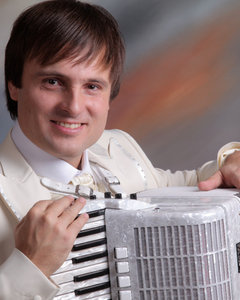
Mirco Lieber is a concert musician (accordion, harpsichord, organ, piano) and music educator with two completed master's degrees in the concert subject: accordion at the Academy of Music, Ljubljana and harpsichord at the University of Music and Performing Arts Vienna (MDW). With more than 30 years of teaching experience he teaches students worldwide online.
Read the full biography